I am a 200hr certified Yoga teacher and MSc Qualified Nutritional Therapist, using a Functional Medicine Model. I am passionate about using movement and nutrition
to positively influence health, mood and vitality. You’ll find me on my mat, meditating in nature, in the kitchen or dipping in the Suffolk sea!
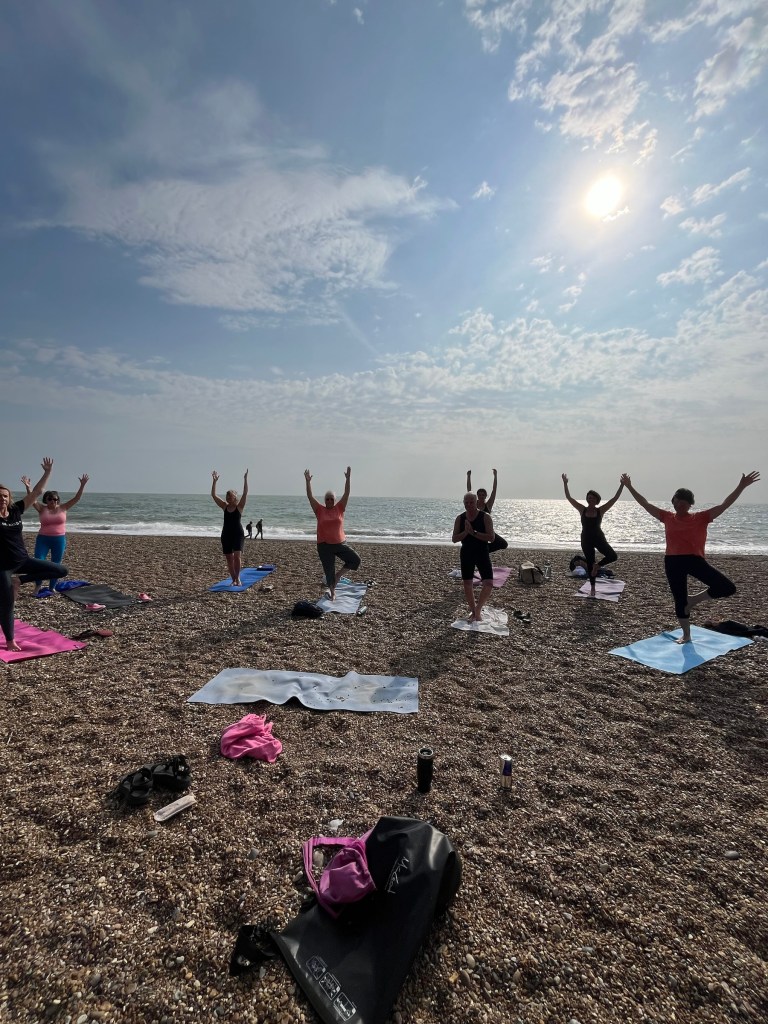
Every week theres a new sequence, which focuses on one of the following elements: Earth, Water, Fire and Air. Each flow challenges a specific area of the body and a different chakra.
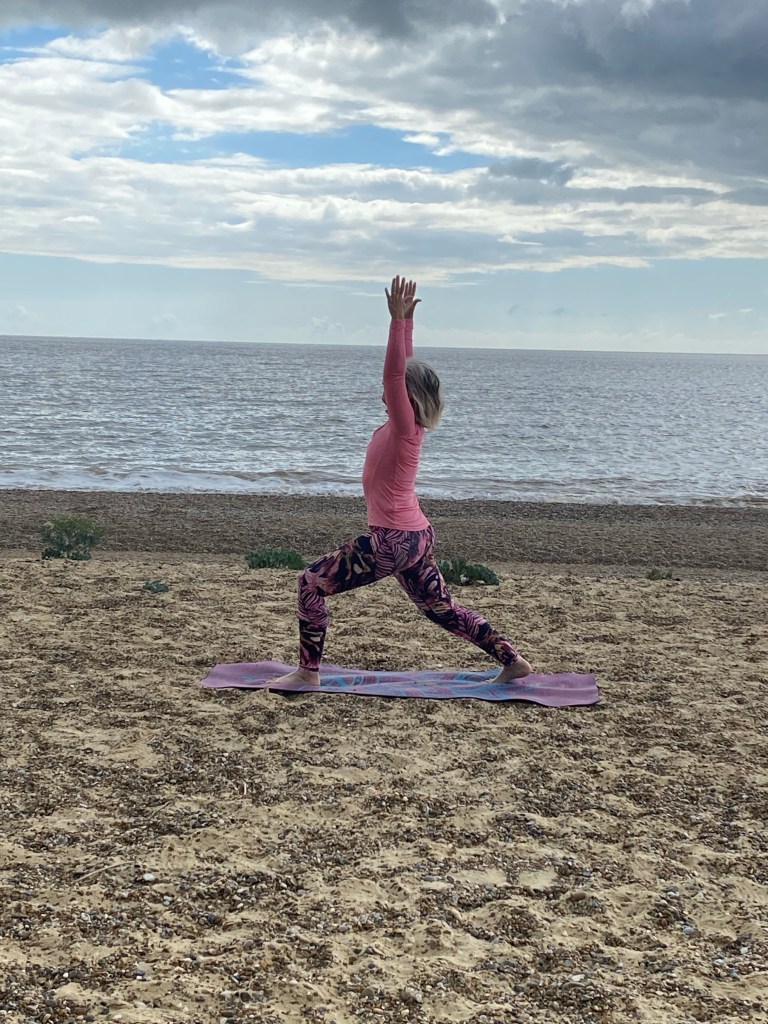
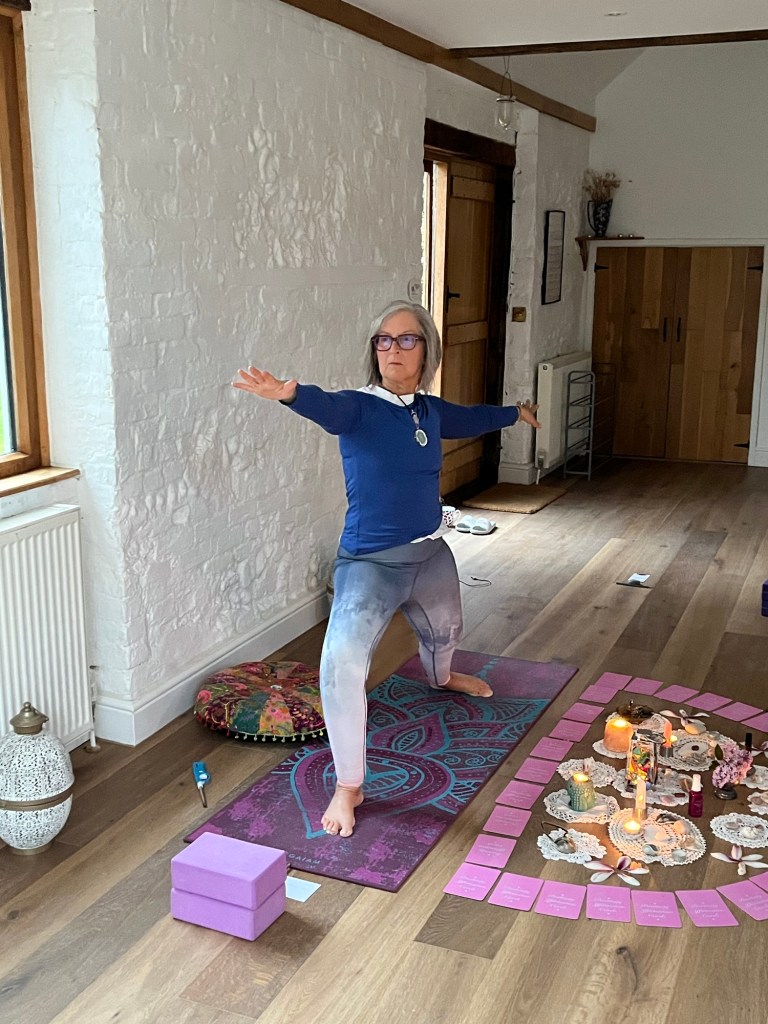
Warrior 2 in my home studio @The old woodyard
During the class, the aim is to foster the connection between movement, strength, fluidity, flexibility whilst simultaneously quietening the mind, enabling a greater sense of mindfulness and embodied calm.
I like to describe the fringe.method as a monthly MOT for the Mind, Body and Soul. In terms of my own practice, I had spinal fusion 20 years ago, so there are certain poses that I have to modify, and others that will never be for me! But that’s the beauty of yoga! All bodies are different and unique and this is how I approach my teaching.
The Studio set up for a Summer Solstice event
Follow me here or on Instagram to find out about upcoming classes and together we can move our bodies, quieten our minds and embrace your body’s uniqueness.
I always try to make my recipes “flexible”, as there’s nothing more annoying than deciding you want to make something and not having the ingredients.
So please add the nut butter, sweetener and nuts of your choice! If you don’t have coconut oil , then you could switch in butter…except for those of you who are vegans!
YOU JUST NEED 5 SIMPLE INGREDIENTS:
Prep time 10 mins. Cooking time 10 mins.
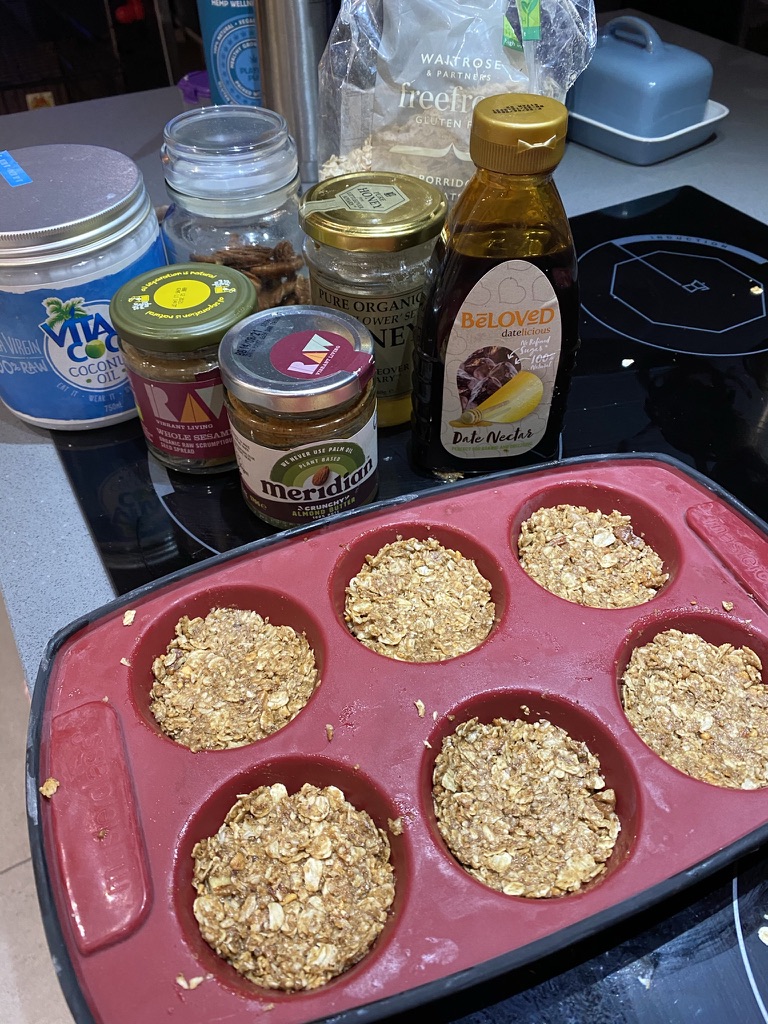
1. Oats (gluten-free if you have gluten issues) 2. Almond nut butter (or any other nut butter) 3. Coconut oil
4. A liquid sweetener (I used honey and date syrup). 6. A handful of nuts (I choose pecans) 5. Desiccated coconut (optional)
Optional additions, raisins, dried mulberries (my new fav!) or cocoa drops.
Method:
Warm 1/2 cup of nut butter in a bain mairie, keep stirring until it loosens ( I used Tahini and Almond)
Add 2 tablespoon of melted coconut oil and stir through until combined
Add 2 tsp of liquid sweetener
Add 2 tbsp of desiccated coconut
Add 10 chopped pecans Mix in 1 cup of Gluten free oats
Pat down very firmly in individual silicone muffin moulds or a small baking tray. Makes 6-8 depending how big you want them!
Place in preheated oven at 190 for 8 – 10 mins
Leave to cool in the muffin trays. (otherwise they may be a bit crumbly)
During these unprecedented times for you and your family members, lets explore strategies for cooking and preparing meals that will hopefully help balance both your energy, mood and stress levels.
Key to achieving this is balancing blood glucose levels!
LETS BEGIN WITH A QUICK EXPLANATION ……
WHAT IS BLOOD GLUCOSE? HOW DOES THE BODY USE AND STORE IT?
When we eat carbohydrates, they are broken down into a simple energy form, glucose. This is often referred to as blood sugar. These levels are tightly regulated by the hormone insulin. It is insulins’ job to help the body use blood glucose from food, for energy, or store that energy in the liver and muscles, as glycogen (a short-term energy source). Any excess is stored in fat cells. (This is one of the mechanisms by which a high sugar diet can lead to potential weight gain.)
Carbohydrates however, are not created equally and the speed of this breakdown can vary based on the Glycaemic Index (GI) and Glycaemic load (GL) of the carbohydrate content.
• GI ranks foods on how quickly they are digested into blood sugars and how quickly it impacts our blood sugar, however whilst helpful… it does not reflect the portion size.
• The GL is based on the relative GI of the food in relation to the portion size.
In other words, the GI = is how quick, and the GL = how much and how quick.
WATCH OUT FOR THE BLOOD GLUCOSE “ROLLER COASTER”!
Foods with a high GL, e.g. a slice of white bread, will be rapidly broken down into blood glucose causing a sudden spike. Consequently, insulin must quickly remove any extra glucose, which then causes a “sugar low”.
This creates what’s known as the ‘blood sugar roller-coaster’ (see image below) which can have a detrimental effect on mood, potentially making you feel more jittery and anxious. The “roller coaster” also causes sudden dips in energy, leaving you feeling hungry shortly after eating, increasing the desire to reach for sugary snacks and caffeine, only to create another unwanted “roller coaster” shortly after. Conversely, foods with a low GL keep blood sugar levels consistent, enabling both your mood and energy levels to remain more constant and controlled.
You may have noticed this “roller coaster” with your kids after they’ve eaten sugary snacks or drinks. One minute they’re buzzin around and then all of a sudden, they’re irritable and grumpy.
OR IS THAT JUST MY HUSBAND!
Imagine your digestion and metabolism as a fire!
• If you pour petrol on to it, it will burn bright and hot, but the flames will soon die • If you feed it regularly with small well-seasoned wood, it will burn long and warm.
• High GL food is the petrol. • Low GL food is the seasoned wood.
5 TOP TIPS TO MANAGE YOUR ENERGY AND MOOD!
As well as choosing lower GL carbs……. supply permitting, here are my 5 top tips!
(I have included a link at the end of this article to a list of GL levels of common foods)
1. Choose a BREAKFAST that will KEEEP YOU FEELING FULL, your brain fuelled and reduce those mid-morning energy dips. Here’s some ideas:
• Yoghurt (ideally full fat and unsweetened) Add toppings like fresh fruit, a handful of nut and seeds, a dollop of nut butter. Add some honey or maple syrup if you need a hit of sweetness.
• Poached egg on a slice of wholemeal bread Add some avocado or spinach…. if you can get some! Sprinkle with seeds, paprika and a drizzle of olive oil.
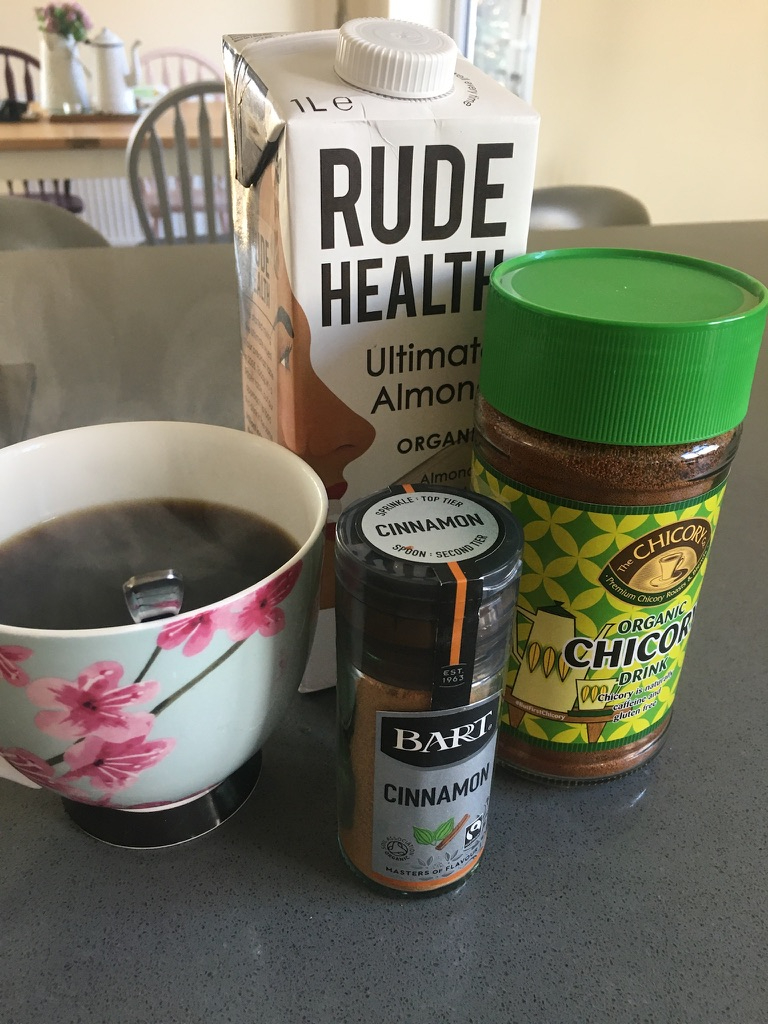
• Overnight oats Make this up for all the family the night before. Per person take approx. 50 grams of porridge oats, add 350ml of milk of your choice. Add ½ tsp of cinnamon, which has been shown in studies to help to reduce sugar cravings by controlling blood glucose levels. Leave in the fridge overnight. In the morning heat through on the hob. Add flacked almonds, sunflower seeds, or walnuts. Serve with a dollop of full fat Greek yoghurt and drizzle with honey.
• ‘Dippy eggs and soldiers’ Lightly boiled eggs with a slice of wholemeal bread and butter “soldiers”.
2. COMBINE low GL CARBS, PROTEIN and HEALTHY FATS with EVERY MEAL.
Imagine your plate divided into three sections:
Half, or more of your plate, should be a wide range of leafy greens, salad items and brightly coloured vegetables, basically anything that grows above the ground. One quarter should consist of lean protein, roughly the size of your fist. Final quarter, add complex carbohydrates such as rice, pasta, quinoa and root vegetables.
By doing this you will slow down your digestion and reduce the affects of any high GL foods on blood glucose and insulin levels.
Which in layman’s terms means….…. you’ll feel fuller for longer!
3. REDUCE your CAFFEINE intake, found in tea, coffee, chocolate.
It’s easy to forget that caffeine is in fact a drug and as such, at times of high stress can have a detrimental effect on both your energy and your mood…. plus, your sleep. We all love the hit we get from caffeine, but it is actually interacts with 3 powerful hormones in the body.
• Adrenaline: Caffeine causes the release of adrenaline into your system, giving you a temporary boost, but this will put you on the “roller coaster” that we discussed earlier. This is again pouring “petrol on your fire”! Right now, we also have many other reasons for surges in adrenalin so anything that adds to that may not be helpful. • Cortisol: Caffeine can increase the body’s cortisol levels, the “stress hormone”, which in turn floods the body with glucose. The body will need to remove this rapidly. Another unwanted “roller coaster ride”. • Dopamine: Caffeine increases dopamine levels in your system, which can make you feel good initially, but after it wears off you can feel ‘low’. It is this dopamine hit which makes coffee hard to give up. If you love your cup of tea or coffee, avoid drinking after midday to ensure your sleep is not affected, and also think about reducing to 1 or 2 cups daily. You could choose herbal teas such as Green Tea, which although still contains caffeine, it’s affects are offset by the calming affect l-Theanine. You could also try chamomile, peppermint or dandelion.
4. AVOID HIGHLY PROCESSED FOODS, SUGARY SNACKS AND DRINKS BETWEEN MEALS
Sometimes when we feel stressed and anxious we look to food to help support these feelings. And with so many us at home self-isolating, the sweet treats in the kitchen are more easily accessible and seem to be calling your name! However, if you begin to better balance your blood glucose, with the advice above, your mood will be more stable, your energy should feel more consistent, so hopefully there’ll be less need to add “petrol to your fire”.
Here are some healthy snack suggestions:
• Half a slice of wholegrain bread with nut butter
• Raw veggies (carrot, pepper, celery, cucumber) plus ½ small tub of hummus
• Piece of fruit with 5-10 nuts
• Berries plus small tub plain full fat yoghurt
5. Remember to stay hydrated, 6-8 glasses per day.
When my kids were little and they asked for snacks, I would often suggest they have a glass of water instead. They still tease me about this now, saying how annoying it was, but actually the science supports this. Dehydration can make us feel tired and irritated, so have a drink first before you reach for a snack.
Choose filtered water if you can. Add some mint or lemon for some variation…. if you can get any….
If you struggle to drink water, then dilute your fruit juice, gradually increasing the amount of water you add. Avoid sugary drinks which will again pour fuel on you fire.
Set an alarm on your watch to remind yourself to stay hydrated with small sips taken regularly throughout the day.
Water is vital for keeping all our cells hydrated and allowing absorption of key nutrients and removal of waste substances.
A FINAL THOUGHT….APPLYING THE 80:20 RULE!
During this difficult period, it’s important to remember that food is more than just calories, nutrients and minerals. Taking time to sit down to eat with those you are self-isolating with is a precious time, a time to be thankful for what you have in front of you. Practice gratitude that you are able to share your mealtime with the those you love, those who are supporting you.
As such, let’s be sensible about the tips I’ve suggested. I like to apply the 80/20 rule, which means let’s try to stick to this way of eating 80% of the time. I will certainly be enjoying both a glass of wine and a few crisps (my guilty pleasure) this coming weekend…..and I hope you can too.
Are you feeling overwhelmed when you wake up in the morning?
Are you finding it hard to get motivated?
Are you struggling with low mood?
According to leading behaviour change expertB.J. Fogg, in his book “Tiny Habits”, you need to feel successful whilst making changes, in order for the behaviour to become a new habit.
At this current time in the stillness of #lockdown , many people are using this time as a period of reflection. Consequently for some, plans are afoot for big lifestyle changes….. like adopting a new exercise regime, eating their 5-a-day, starting a new business. Now don’t get me wrong….this is to be applauded! As a Nutritional therapist and Health Coach.…its an integral part of what I do every day, supporting people to make these changes!
BUT I know for some of you, seeing these epiphanies is overwhelming when you’re struggling to just get through the day!
So this is aimed at you! I want to support you in this challenging time.
Please find me on Instagram, where I have recorded a video and listen to my tips to help you navigate through this.
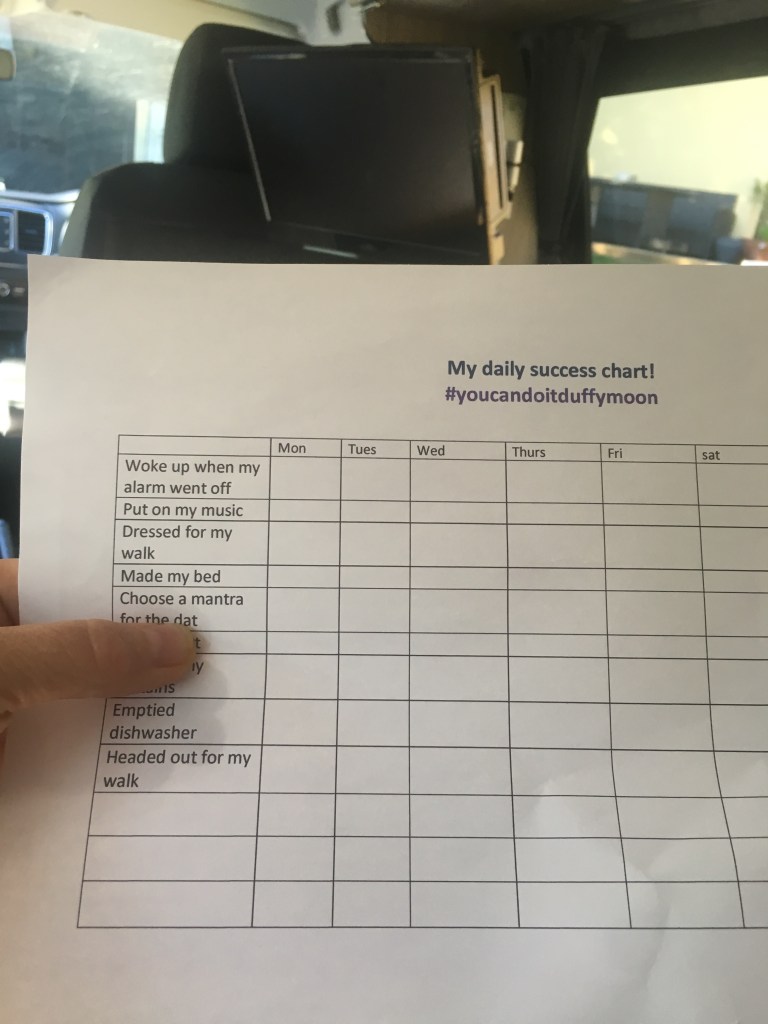
I have also produced a Daily success chart so that you can track your small victories. You can adapt this to whatever you need to get you moving in the morning and support you throughout the day. You can download the template here:
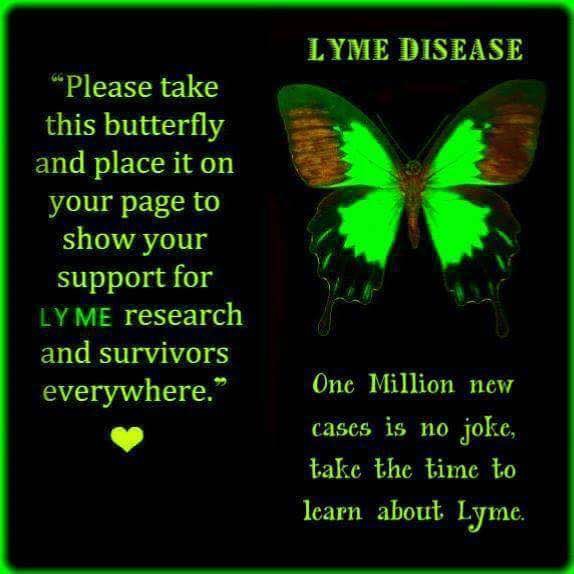
May is the month where globally Lyme Disease charities, researchers, treating doctors and patients come together to try to lobby governments, raise awareness and support one another with various initiatives. In so doing, collectively we hope to not only educate the general public about how to protect themselves from tick bites, but to also raise both awareness of this disease and to encourage donations for desperately needed research.
Heres my daughter and I in 2016 Taking a bit out of Lyme to raise awareness
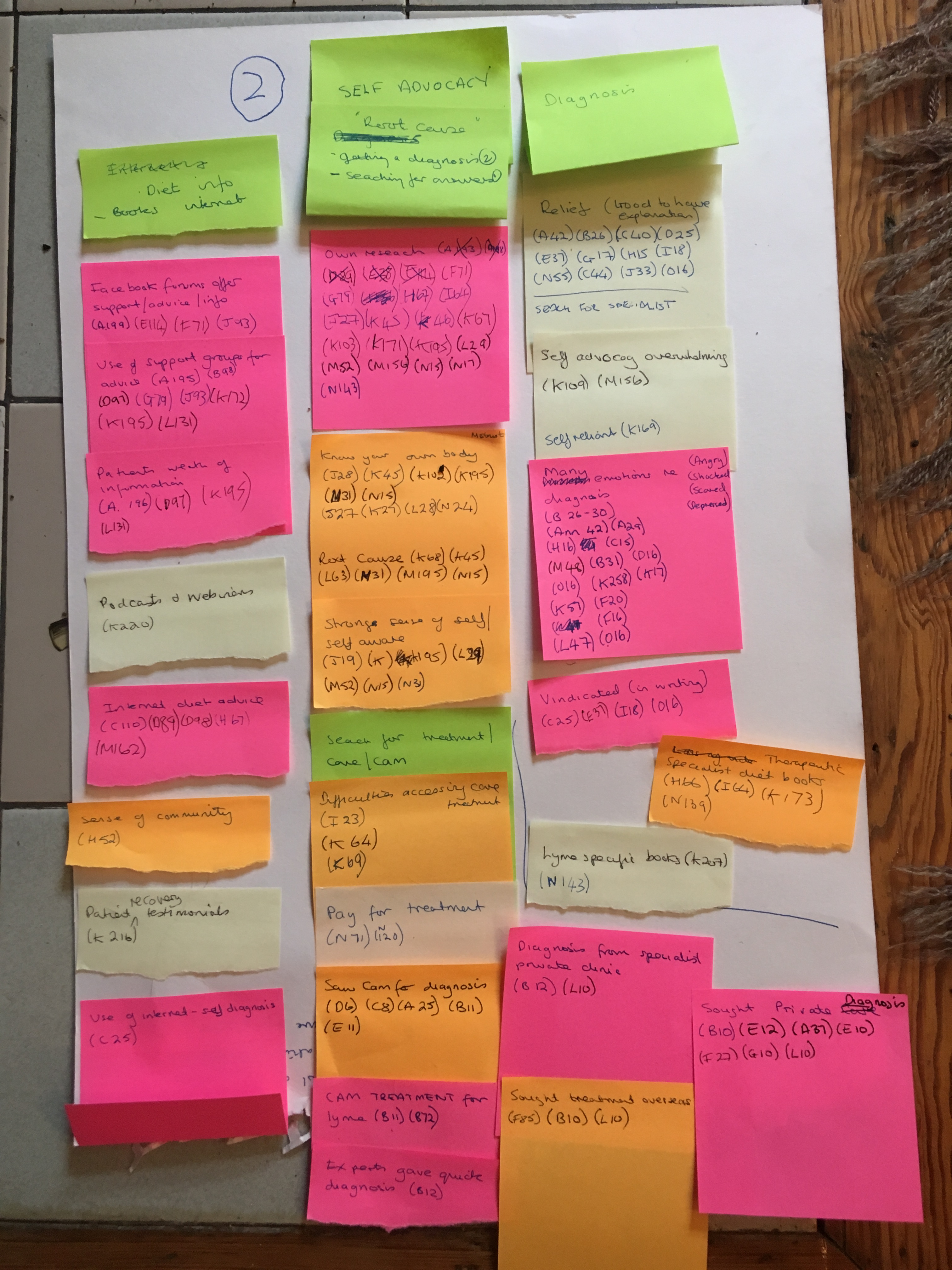
In 2018, I completed my Msc dissertation research which involved analysing online questionnaires from 18 UK Lyme patients. This was a qualitative piece of research, which means I wasn’t interested in numbers and statistics, but instead, I wanted to understand in detail, the livid experiences of this group of individuals. Their stories were at times hard to read and through my analysis of their narratives
5 key themes emerged.
Theme 1. Dissatisfaction with mainstream medicine.
This exposed the difficulties of living with a contested disease where obtaining diagnosis and treatment was protracted and problematic. Many received a psychological explanation, where potential gender bias resulted in doctor/patient distrust, leading to the need for strong self-advocacy.
NO SINGLE RESPONDENT HAD AN OFFICIAL NHS DIAGNOSIS OF LYME DISEASE
Theme 2. ‘Controlling food’
Here the therapeutic use of Nutritional Therapy was highlighted, where “Food as Medicine” led to improved symptomology. Respondents demonstrated strong adherence and innovative strategies to offset oftentimes onerous and time consuming compliance demands. At times, in trying to ‘control’ ones food intake, dietary needs began to control peoples lives. However in living with this misunderstood disease, where so much can seem out of ones control, there was comfort from being in charge of a powerful therapeutic tool, plus it fostered a sense of unity and community amongst fellow patients.
Theme 3. ‘CAM’- a work in progress (CAM = Complimentary and Alternative Medicine
This theme revealed that Lyme patients are a well-researched patient group, who often experienced dissatisfaction due to consulted practitioners’ lack of knowledge, where they were presented with overly complicated and generic NT protocols.
Theme 4. ‘A life changed’
This theme revealed the extent to which lives have been devastated by years of chronic disease with feelings of loss, invisibility, isolation and altered and fractured relationships.
Theme 5. Financial issues.
All respondents reported financial sacrifices and difficulties, including debt, loans, and borrowing, where lost earnings due to disability, left some unable to afford treatment.
Are you a Lyme disease warrior?
Does any of this resonate with you?Do any of these themes seem familiar? Have you experienced any of these issues? I’d love to hear from you, and for you to share your experiences, lest we not be ignored and forgotten again.
I admit to it…..Confirmation bias!(Was this just in my research?)
I can’t say it was the most well written piece of research, and undoubtedly, despite my best efforts, I would have bought bias to it. Despite this, I do believe that it offers powerful insight into the difficulties faced by UK Lyme patients, something which has not been hitherto researched in the UK. It also revealed, that in this patient group, nutrition represents a vital part of the journey to recovery.
I finished writing my dissertation just as the NICE draft guidelines for Lyme Diseasewere published. Here, there was not a single mention of dietary or supplement interventions, and yet my snapshot revealed that all respondents reported improved symptoms through Nutritional Therapy. However this was hardly surprising given the guidelines barely acknowledge the existence of Chronic Lyme Disease.
The full NICE guidelines were finally published in 2018. The only positive I can take from these is that patients recently bitten, who are lucky enough to have a GP who actually recognises the tell tale bulls eye rashor is prepared to accept after a differential diagnosis, that symptoms and exposure mean its likely that you have been bitten, you are now more likely to get 3 weeks of an effective antibiotic regime, and then hopefully, a further 3 weeks of treatment should symptoms persist.
But beyond this, very little has changed!
Unfortunately patients with a chronic infection, who were not treated in a timely fashion, are mostly denied a test, denied treatment and are left high and dry. They then begin the merry go round of endless trips to different “specialists” who work in their own area of speciality, where no one stops to look at you as a whole and say…
“Hang on a minute, this person has multiple symptoms involving multiple body symptoms…what is it that could be causing this systemic ill health?”
To be honest, this is probably an unrealistic expectation. Modern medicine does not work like this and probably never will. That’s why as a Nutritional Therapist, my training enables me to adopt a Functional Medicine approach. If your not familiar with this here is a definition:
Functional Medicine is a systems biology–based approach that focuses on identifying and addressing the root cause of disease.
As such I don’t look to your “illness”, but instead I gather detailed information about your symptoms, your history, your journey to ill health and together we try to unravel what what could be the underlying cause.
Any way I digress……
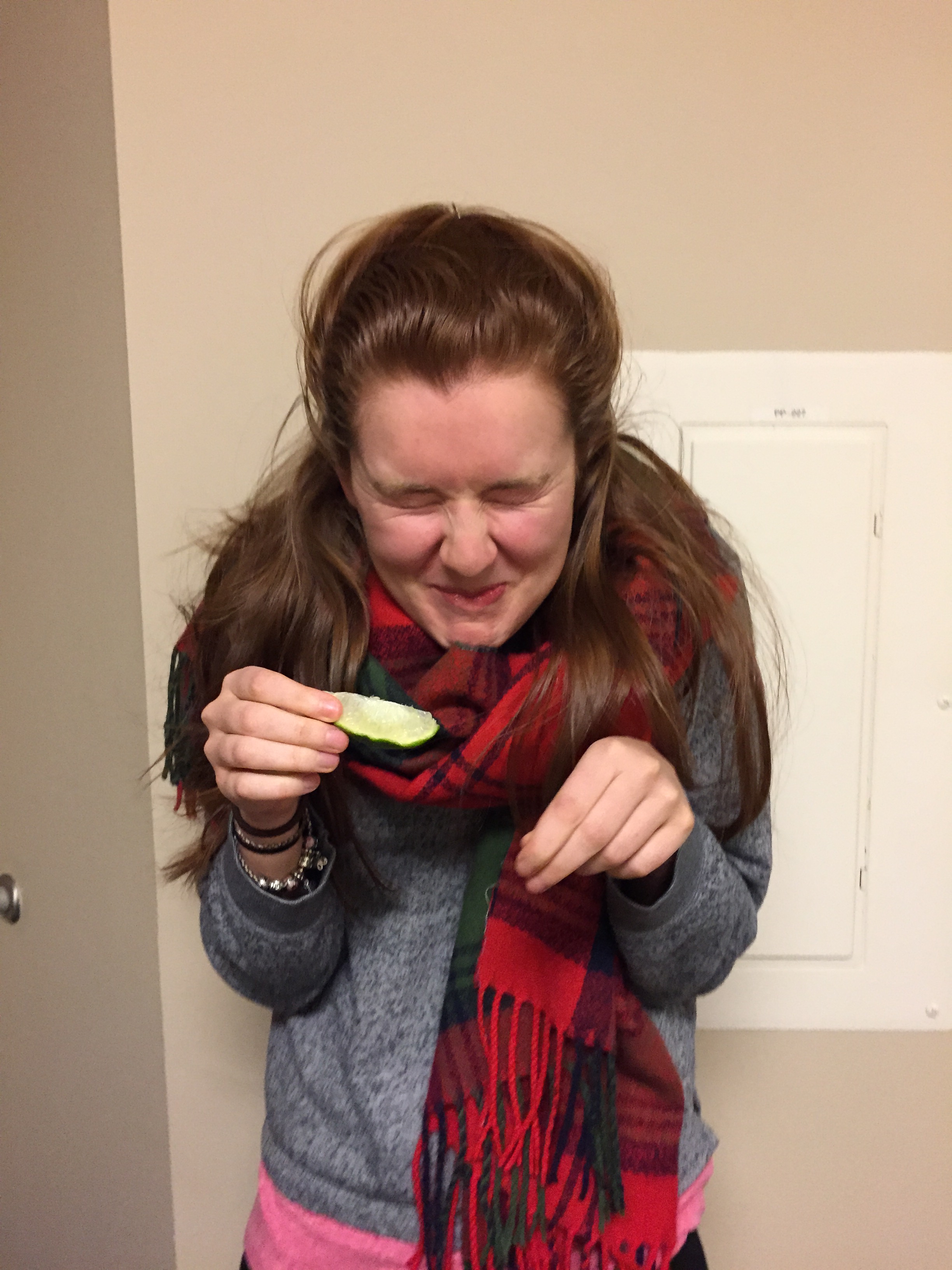
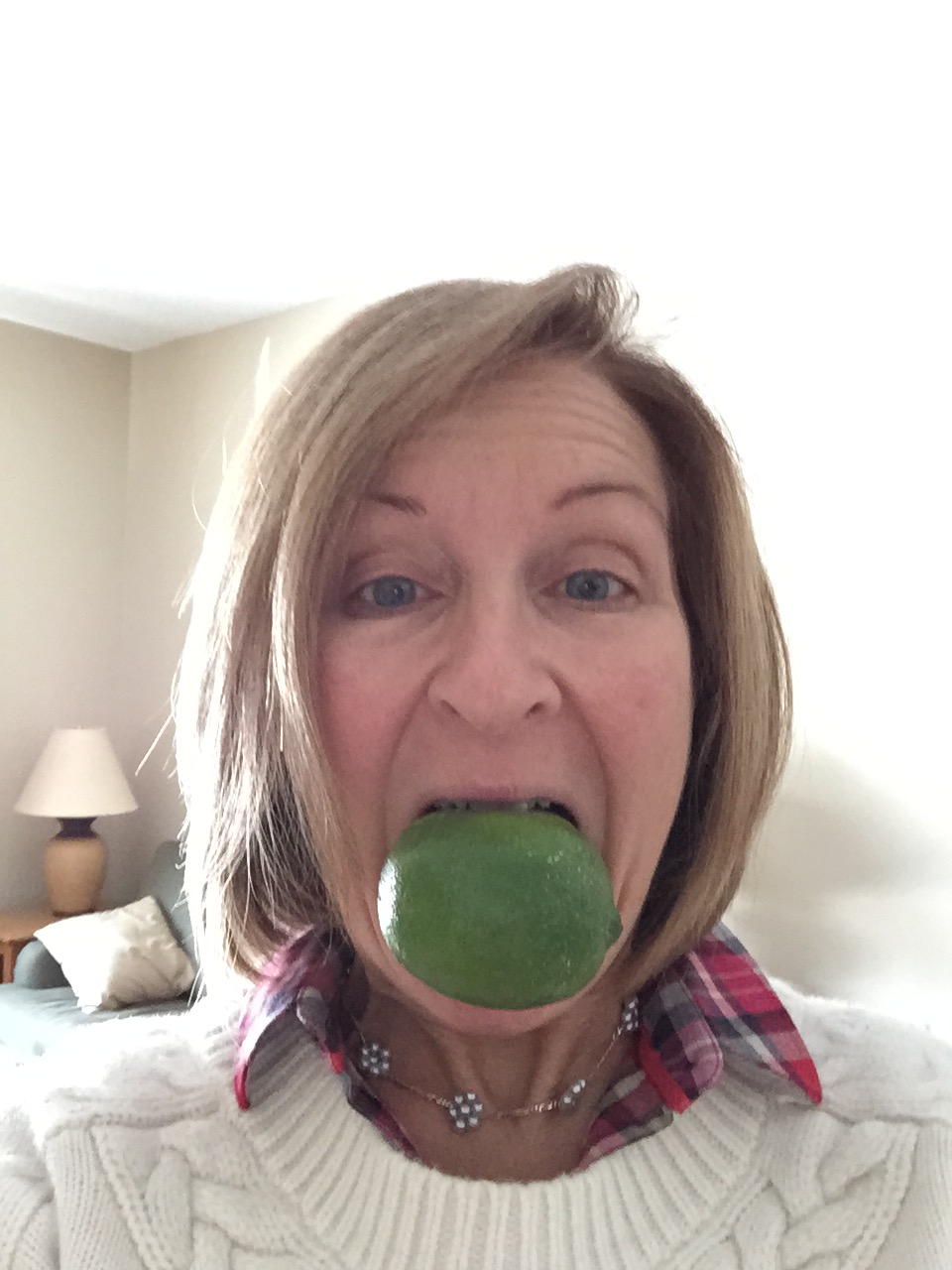
Tomorrow I will be wearing Lime Green to raise awareness.Check yourself when you’ve been out walking, lying on grass in the garden, playing sports on grass. Ticks are everywhere and can transmit more other infections(for which there are no available NHS tests!) Estimates on numbers of ticks infected varies, showing anything from 5 – 40%. Check your children, behind the ears, in their hair line, in their armpits, between their toes, everywhere! And don’t forget checkyour little furry 4-legged friends too! They could carry infected ticks into the house.
Tomorrow I will be wearing Lime Green to show support for all the doctor and researchers, some of whom put their necks on the lines treat patients and to speak the truth.
Tomorrow I will be wearing Lime Green to show my support for the chronically sick. Many are lonely, stuck in bed, disabled, in constant pain, wheel-chair dependant, forgotten, dismissed and ignored.
Tomorrow I will be wearing Lime Green to show my support for my daughter who’s resilience and determination is unfathomable.
I have included below links to some of the leading UK lyme charities. It would be amazing if you could think about making a donation, big or small….as a leading supermarket int the UK says….. Every Little Helps!
UK Lyme Charities
Vis a vis symposium – Hosting conferences to help educate and disseminate research to UK Docters.
Lyme Disease Uk Support – Supporting UK Patients through sharing of information on treatment and offering a FB support group.
In the last few weeks, it’s highly likely you’ll have seen in the news and on social media, lots of suggestions on ways to support your immune system. Whilst this is well intentioned, these myriad recommendations, some of which are impossible to implement with current food shortages, could have left you feeling confused and overwhelmed.
You may have even felt prompted to buy immune supporting supplements. Or maybe you’ve increased how many fruits and vegetables you’re eating, which, supply permitting, is definitely a good idea…….
However, did you know there’s something we can all do to support our immune system and overall wellbeing that’s available to us all, every day, and it’s totally free!
SLEEP!
In today’s Wellness Wednesday we will look at how a good night’s sleep can help you support your health and wellbeing ……. And I will then give you my top 10 strategies to help support improved sleep.
Let’s begin with a quick explanation of how your Immune System works.
Immune System 101
Our immune system is constantly on alert to identify and destroy anything that threatens to attack the body and cause illness, such as viruses, bacteria and infections. We are continually exposed to organisms that are inhaled, swallowed or inhabit our skin and mucous membranes. Whether or not these organisms lead to disease is decided by the integrity of our body’s immune system, and of course, our exposure. To function optimally, the immune system requires many nutrients, vitamins, minerals, relaxation, regular exercise and a good night’s sleep!
Once exposed to an infection, our body has a number of different ways of responding. I like to think of it like a military operation. Certain cells are responsible for the initialresponse, which is then followed up, by sending in highly trained specialist forces!
Our first line of defence against a virus comes from the Innate immune system who send in the foot soldiers. This system is a best described as “non-specific” and involves sending in Natural Killer (NK) cells.
In some cases, the foot soldiers (NK cells) may be enough to prevent a large-scale infection. However, if the infection proceeds beyond the first few rounds of viral replication, the Adaptive immune response, kicks into high gear.
Now we send in the “SAS”, a highly trained specific response to an understood threat.
The Adaptive immune response (SAS) has two battalions: virus-specific Antibody B cells. And virus specific T cells that kill infected cells.
The SAS are also involved in producing “memory cells” which is how we develop immunity to a subsequent infection from the same virus. As such the SAS can immediately recognise and respond to a second invasion.
(NB. Unfortunately often times viruses mutate, making the SAS response less effective!)
WHY IS SLEEP SO IMPORTANT?
From an evolutionary perspective sleep seems to be at odds with our survival!
During this potentially dangerous prolonged period of semi-consciousness, we could not hunt, gather food, procreate, protect ourselves or our young. Yet despite this, we continued to evolve needing sleep….and crazily we spend approximately a third of our lives in this semi-conscious state!
The amazing thing about Sleep is that it offers us a multitude of health benefits and is free at the point of service, every 24 hours!
But SLEEP is by no means a passive condition.
Whilst asleep, our bodies are highly active and perform many vital “housekeeping” jobs which allow us to remain healthy. Here’s a few of the tasks we get up to whilst horizontal!
Muscles and joints -are rebuilt with the release of Growth hormone. The more sleep you get the better equipped your body will be to repair itself. In fact, the better you sleep, the better you can train and exercise. Did you know that if you train after a poor night’s sleep you are more likely to get injured and you will actually breakdown more muscle in the process?
Heart – Our heart rate slows down during REM sleep, giving it a period of relative rest and also allowing for a period of reduced blood pressure.
Brain – Improves cognition, memory and learning. It shrinks 60% during sleep deep sleep, facilitating the flow of cerebral spinal fluid. This allows the glymphatic system to remove unhealthy, old cells and waste substances. It’s like putting the dishwasher on at night!
Clever stuff don’t you think! And all while your hopefully fast asleep! But what happens when we don’t get enough zzzzzz?
Impaired sleep has been shown to:
Reduce the number of foot soldiers (NK cells) and also affects their ability to communicatewith one another, with other battalions (other immune cells and immune cell messengers) and also to send messages to the SAS!
Reduces the effectiveness of the SAS, (B-cells and T-cells) and results in lower numbers.
Increases the likelihood of infection and infection duration, and can have adverse effects on the genes that control your circadian rhythm.
Increases levels of other pro-inflammatory markers and this can lead to the onset of a number of long-term chronic health conditions.
Alter levels of the two hunger hormones responsible for appetite and satiety, Leptin and Ghrelin. So not only do you feel hungrier, it will also affect your ability to feel full! A double whammy for potential unwanted weight gain!
A final note about stress and sleep!
Prehistoric man (or woman!) evolved with a stress response designed for running away from tigers. You either escaped unharmed or were attacked and eaten! Physiologically, your immune system was primed, with foot soldiers readied, to heal wounds and infection. Whilst this was extremely stressful on our bodies…it was thankfully over relatively quickly.
In our modern world, we may not have to worry about marauding tigers. Instead, we now experience stress that is ongoing, and in these current unprecedented times, this stress can sometimes feel overwhelming. The stress hormone cortisol is produced in response to this and should follow a diurnal pattern, rising within 30 minutes of waking, then dropping throughout the day, reaching its lowest pint at bedtime. However, in periods of high stress, this pattern can become disrupted, which will then affect your circadian rhythm, decreasing short-wave sleep, increasing periods of light sleep and causing more frequent waking. High levels of stress hormones can also deplete the immune system.
And now for the solutions!
10 tips to improve sleep quality and duration.
Let’s talk aboutcaffeine. Did you know that after oil, caffeine is the second most traded commodity? These days, caffeine consumption is so integral to everyday life and socialising that it’s easy to forget that it’s actually a psychoactive drug! So try to avoid caffeine after midday and to limit your intake to 2 caffeinated drinks per day. Caffeine has a ½ life of 5-7 hours. That’s how long it stays in circulation and can affect your sleep.
Try to avoid any screens, your phone, i-pad, computer, at least one hour before bed and keep your bedroom as dark as possible. The onset of dusk brings about the production of melatonin, the sleep hormone. Research has shown that artificial light impairs its production and may be responsible for difficulties getting to sleep. A recent study showed that reading a book on an i-pad at bedtime reduced the production of melatonin by over 50% compared to reading from a real paper book. Worth considering when reading to your children at bedtime.
Balance your blood sugar throughout the day: swings and dips can make you wake up in the night or earlier than normal. (For a more detailed explanation go to my Facebook page and search “Blood Glucose”)
Aim for approx. 7- 8 hours sleep per night. Studies found that those who slept less than six hours a night were over four times more likely to get a cold than adults who slept more than seven hours.
Rethink that drink! Sorry Guys…. To quote a leading sleep researcher, Matthew Walker, from his bestselling book “Why We Sleep”
“Alcohol is a sedative and sedation is not the same as a good night’s sleep”.
One glass can affect sleep quality and will also down regulate your immune system.
Stick to a regular time for both going to bed and waking up. Be careful about weekend lie-ins too…Having a lie-in of more than an hour can have the same effect on the body as jet lag.
Keep your bedroom cool. To successfully drop off to sleep, your core body temperature needs to decrease 2-3 degrees Fahrenheit (1-degree C). This drop also helps trigger the production of melatonin. Aim for 17-18 degrees or lower.
It may be wise toavoid watching the news an hour before bedtime. This will avoid the stress response which was discussed above.
Have a cuddle before bedtime! A cuddle before going to sleep triggers your body to release chemicals that can help you de-compress after a stressful day. The magic chemical released is the hormone oxytocin (nicknamed the “cuddle chemical”). Not only will it aid sleep, it also relieves pain and stress, and even better….it can boost your immune system.
Try listening to a meditation app before bed or practice some deep breathing. If you are feeling anxious at bedtime, this will help to reset your nervous system and improve your sleep quality. I particularly like the meditation called “Loving Kindness Meditation”. Here’s the link:
Here’s hoping for a rested peace-filled blissful night of Sleep!
If you have any questions or would like further support or information about your sleep, your immune health, or have any other wellness or nutrition related queries then please feel free to email me: Kbrookhouse66@gmail.com
Follow me on Instagram @katherinebnutri or Facebook: Katherine Brookhouse Nutrition
Besedovsky, L., Lange, T. and Haack, M. (2019) The Sleep-Immune Crosstalk in Health and Disease Physiol Rev. Published online. doi: 10.1152/physrev.00010.2018
Irwin, M., McClintick, J., Costlow, C. et al. (1996) Partial night sleep deprivation reduces natural killer and cellular immune responses in humans. Published Online
Lyons, A. B., Moy, L., Moy, R., & Tung, R. (2019). Circadian Rhythm and the Skin: A Review of the Literature. The Journal of clinical and aesthetic dermatology, 12(9), 42–45 https://www.ncbi.nlm.nih.gov/pmc/articles/PMC6777699/
The Summer now definitely seems a distant memory and Autumn is fast changing to Winter. With the changing of the clocks last weekend, we are now heading into those long dark nights and shorter days. For some of us, this can be a difficult time as it’s harder to find the motivation to get outside, to exercise, to move. Instead were drawn to the comfy couch, a glowing fire, and Netflix binge!
However with the changing of the seasons, this can also present an opportunity to potentially make some changes in your life too. Winter can bring about a time of reflection, a time to slow down mentally and maybe think about the direction you’re heading, a time to re assess your health goals, & your plans for the next few months.
So remember this thought when you look outside and think its too cold, too wet, too dreary to venture out for that walk, run, bike ride…..theres no such thing as bad weather….just inappropriate clothing!
And if that piece of advice fails, remember that nowadays there are so many online platforms, YouTube and instagram videos, where with one click, you can find someone doing Yoga, HiT, or pilates, beaming positivity into your warm living room, to help you get moving!
Theres really no excuse! And if all else fails, put on some music and Dance!













 Katherine Brookhouse Yoga & Nutrition